
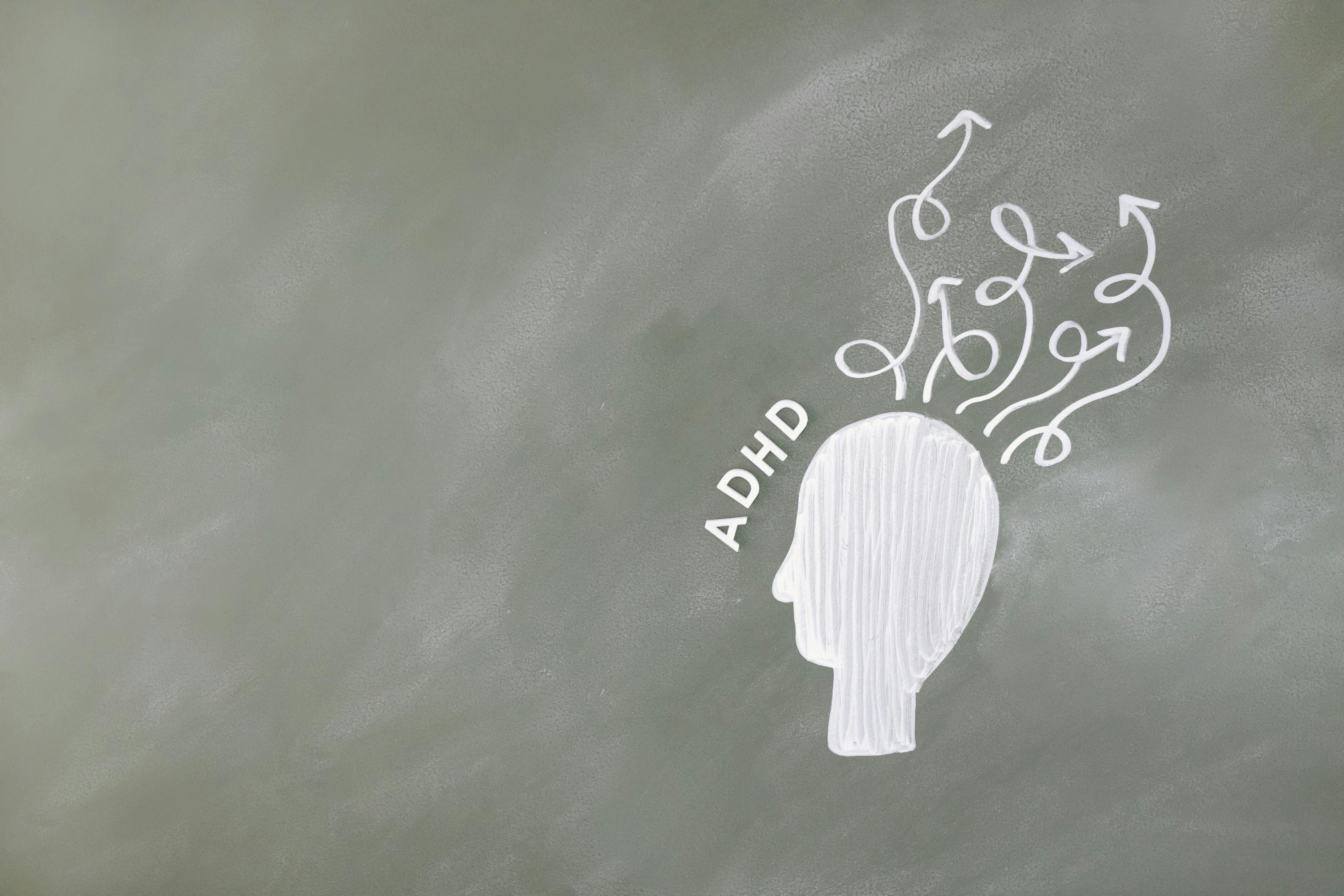
Discover how AI-powered personalized mental wellness platforms are revolutionizing mental health support in 2026. This in-depth guide compares the best online therapy solutions, digital therapeutics, and stress management apps, helping you choose the right AI mental health tool for anxiety relief, depression support, and holistic well-being. Optimize your mental fitness with data-driven insights and virtual counseling, finding cost-effective mental health services that fit your lifestyle.
Introduction to the Topic
Welcome to 2026, where the landscape of mental health support has been fundamentally reshaped by artificial intelligence. For too long, accessing quality, personalized mental wellness care has been a challenge – fraught with long waiting lists, prohibitive costs, and a one-size-fits-all approach that often falls short. But what if your mental health journey could be as unique as you are, guided by cutting-edge technology designed to understand your specific needs, mood patterns, and cognitive responses? Enter the era of AI-powered personalized mental wellness platforms.
These innovative digital therapeutics and online therapy solutions are not just buzzwords; they represent a seismic shift towards accessible, effective, and deeply personal mental care. From advanced chatbots offering cognitive behavioral therapy (CBT) exercises to sophisticated algorithms matching you with the ideal virtual counselor, and even biofeedback devices integrated with AI for real-time stress management, the options are more diverse and powerful than ever before. At mindfulsparkwave.com, we believe that understanding these tools is the first step toward harnessing their power for your optimal well-being. This article will dive deep into the revolution, exploring why these platforms are gaining traction, what makes them so effective, and critically, which ones stand out in a rapidly expanding market for those ready to invest in their mental fitness.
Backgrounds & Facts
The global mental health crisis continues to be one of the most pressing challenges of our time. Even in 2026, statistics show that a significant portion of the population grapples with anxiety, depression, chronic stress, and other mental health conditions. Traditional therapy, while invaluable, often faces barriers such as geographical limitations, stigma, high costs (averaging $150-$250 per session in many regions), and a shortage of qualified professionals. These hurdles leave millions underserved, highlighting an urgent need for scalable, affordable, and effective alternatives.
The advent of artificial intelligence, machine learning, and natural language processing has provided a powerful answer. Early iterations of mental health apps, while helpful, were often limited in their personalization and lacked the adaptive intelligence needed for truly dynamic support. However, advancements over the past few years have transformed these tools. Today's leading AI mental health platforms leverage vast datasets to identify patterns, predict mood fluctuations, and recommend interventions with unprecedented accuracy. They can analyze speech patterns, text input, and even biometric data (from wearables) to offer tailored exercises, guided meditations, journaling prompts, and even connect users with human therapists when appropriate.
A recent report by the World Health Organization (WHO) projects that by 2030, AI-driven mental health solutions will account for over 30% of all preventative and early intervention mental health services globally. This growth is fueled by their proven efficacy in reducing symptoms of mild to moderate anxiety and depression, improving sleep quality, and enhancing overall emotional resilience. Furthermore, the anonymity and convenience offered by these platforms significantly lower the barrier to entry for many who might otherwise hesitate to seek help, making them a cornerstone of modern, accessible mental wellness.
Expert Opinion / Analysis
“The integration of AI into mental health isn't just an evolution; it's a paradigm shift towards truly preventative and personalized care,” states Dr. Anya Sharma, a leading neuropsychologist and AI ethics researcher at the Institute for Digital Well-being. “For decades, we've understood that mental health is deeply individual, but our systems struggled to deliver bespoke solutions at scale. AI changes that. Platforms can now learn from your unique responses, adapting therapeutic approaches in real-time, whether it's adjusting the pacing of a CBT module or suggesting a mindfulness exercise precisely when your stress levels begin to rise.”
Dr. Sharma emphasizes the critical distinction between AI *replacing* therapists and AI *empowering* them. “The most effective solutions we see emerging in 2026 are those that intelligently combine AI-driven self-help tools with human oversight and intervention. AI excels at data analysis, pattern recognition, and delivering consistent, evidence-based content. Human therapists bring empathy, nuanced understanding, and the ability to navigate complex emotional landscapes that AI, for all its sophistication, cannot fully replicate. The synergy is what truly elevates care.”
However, Dr. Sharma also cautions about the ethical implications. “Data privacy, algorithmic bias, and the potential for over-reliance on technology are significant concerns. Users must choose platforms with robust encryption, transparent data policies, and clear guidelines on when and how human support is integrated. The goal is augmentation, not automation, of human connection in mental wellness.” Her insights underscore the importance of selecting reputable, transparent, and ethically designed platforms that prioritize user well-being above all else.
💰 Best Options in Comparison (VERY IMPORTANT)
Navigating the burgeoning market of AI-powered mental wellness platforms can be daunting. To help you make an informed decision and find the best fit for your needs, we've rigorously evaluated and compared the top contenders in 2026, focusing on efficacy, user experience, personalization, and value.
-
1. MindSpark AI (Premium Personalized Therapy)
Overview: MindSpark AI is a comprehensive platform designed for those seeking deep, data-driven therapeutic support. It integrates advanced natural language processing with a vast library of evidence-based therapeutic techniques (CBT, DBT, ACT). Users engage with an AI conversational agent for daily check-ins, mood tracking, and guided exercises. What sets it apart is its intelligent therapist-matching algorithm, which connects users with licensed human therapists for live video sessions based on personality, therapeutic needs, and availability. The AI prepares detailed session summaries for both user and therapist, optimizing human interaction.
Key Features: AI-guided CBT/DBT modules, personalized mood insights, secure virtual therapist matching, progress tracking dashboards, biometric integration (wearable compatible).
Ideal For: Individuals seeking a hybrid approach combining AI self-help with access to professional human therapy, especially for managing anxiety, depression, and stress.
Pricing: $79/month for AI access + 2 therapist sessions; $149/month for AI access + 4 therapist sessions. (Yearly subscriptions offer 15% discount).
-
2. AuraSync (Holistic Wellness & Preventative Care)
Overview: AuraSync takes a more holistic approach, focusing on preventative mental wellness, mindfulness, and emotional intelligence. Its AI learns your daily routines and stress triggers, offering proactive suggestions for meditation, breathwork, soundscapes, and gentle movement exercises. It also features an 'Emotional Intelligence Trainer' – an AI module that helps users identify and label emotions, practice empathy, and improve communication skills. AuraSync emphasizes building resilience and positive habits rather than just addressing symptoms.
Key Features: Personalized meditation and breathwork programs, AI-driven stress prediction, emotional intelligence training, sleep stories, guided journaling, community forums.
Ideal For: Users focused on preventative mental health, stress reduction, improving emotional regulation, and fostering a mindful lifestyle. Less emphasis on direct clinical therapy.
Pricing: $19.99/month or $179.99/year. Free tier available with limited features.
-
3. NeuroFlow X (Biofeedback & Performance Optimization)
Overview: For those interested in the cutting edge of neuro-optimization, NeuroFlow X integrates AI with advanced biofeedback and neurofeedback technologies. While requiring a separate, compatible wearable device (sold separately, or often bundled), the platform uses AI to analyze real-time physiological data (heart rate variability, skin conductance, brainwave patterns via EEG headbands) to provide immediate feedback and personalized training protocols. It's designed to help users gain conscious control over their autonomic nervous system, improving focus, reducing anxiety, and enhancing cognitive performance.
Key Features: Real-time biofeedback/neurofeedback training, AI-driven performance analytics, personalized focus and relaxation exercises, gamified challenges, progress reports.
Ideal For: Tech-savvy individuals, athletes, professionals, or anyone looking to optimize cognitive function, manage high-stress environments, and explore advanced self-regulation techniques.
Pricing: $49/month (platform access) + cost of compatible device (~$150-$400).
-
4. Solace AI (Affordable & Accessible Support)
Overview: Solace AI aims to democratize mental health support by offering a highly accessible and affordable AI-only platform. It focuses on providing immediate, empathetic conversational support through its advanced chatbot, which is trained on extensive therapeutic dialogues. While it doesn't offer direct human therapist connections, it provides comprehensive self-guided modules based on CBT, mindfulness, and positive psychology. It excels in offering a safe, non-judgmental space for users to vent, process emotions, and receive evidence-based strategies at their own pace.
Key Features: Empathetic AI chatbot for daily support, extensive self-help library (CBT, DBT, mindfulness), mood tracking, guided journaling, goal setting tools.
Ideal For: Budget-conscious users, those new to mental wellness apps, or individuals seeking immediate, private, and self-directed support without immediate need for human therapy.
Pricing: $9.99/month or $89.99/year. Generous free trial period.
Here's a detailed comparison table to help you weigh your options:
| Feature | MindSpark AI | AuraSync | NeuroFlow X | Solace AI |
|---|---|---|---|---|
| Core Focus | Hybrid AI + Human Therapy | Holistic Wellness & Mindfulness | Biofeedback & Cognitive Optimization | Affordable AI Chatbot Support |
| Human Therapist Access | Yes (Integrated) | No (Community Forum) | No | No |
| Personalization Level | Very High (AI + Therapist) | High (AI-driven routines) | Very High (Biometric data) | Medium-High (Chatbot learns) |
| Key Technologies | NLP, ML, Therapist Matching | ML, Recommendation Engines | AI, Biofeedback, Neurofeedback | Advanced NLP Chatbot |
| Pricing (Monthly Avg.) | $79 - $149 | $19.99 | $49 + device cost | $9.99 |
| Best For | Anxiety, Depression, Hybrid Care | Stress, Mindfulness, EI | Focus, Performance, Stress Control | Affordable Self-Help, Initial Support |
Outlook & Trends
The future of AI in mental wellness is incredibly promising and rapidly evolving. By 2026, we're already seeing trends that suggest even more sophisticated and integrated solutions. Expect deeper integration with augmented reality (AR) and virtual reality (VR) for immersive therapeutic environments, allowing users to practice social skills, confront phobias in controlled settings, or engage in deeply calming virtual nature experiences. Imagine an AI guiding you through a VR meditation that adapts to your physiological responses in real-time.
Further advancements in predictive analytics will enable platforms to identify individuals at risk of mental health decline even before symptoms become severe, offering timely, preventative interventions. This proactive approach could fundamentally shift mental healthcare from reactive treatment to continuous wellness management. We'll also see greater emphasis on interoperability, allowing these platforms to seamlessly integrate with electronic health records (EHRs) and other healthcare providers, ensuring a holistic view of a user's well-being. Ethical AI development will remain paramount, with stricter regulations around data privacy, algorithmic transparency, and ensuring equitable access across diverse populations. The goal is to create a future where advanced mental health support is not a luxury, but a fundamental right, universally accessible and deeply personal.
Conclusion
The dawn of AI-powered personalized mental wellness platforms marks a pivotal moment in our collective journey toward better mental health. No longer confined to traditional models, individuals now have an unprecedented array of tools at their fingertips, offering everything from empathetic AI companionship and structured therapeutic modules to advanced biofeedback training and seamless integration with human professionals. Whether you're seeking robust support for anxiety or depression, aiming to cultivate daily mindfulness, or striving for peak cognitive performance, there's an AI solution tailored for you.
The key lies in understanding your unique needs and choosing a platform that aligns with your goals and values. By leveraging these intelligent digital therapeutics and virtual counseling services, you're not just investing in an app; you're investing in a more resilient, self-aware, and emotionally intelligent version of yourself. Explore the options, read user reviews, take advantage of free trials, and embark on a personalized mental wellness journey that truly understands and supports you. Your best self is waiting.