
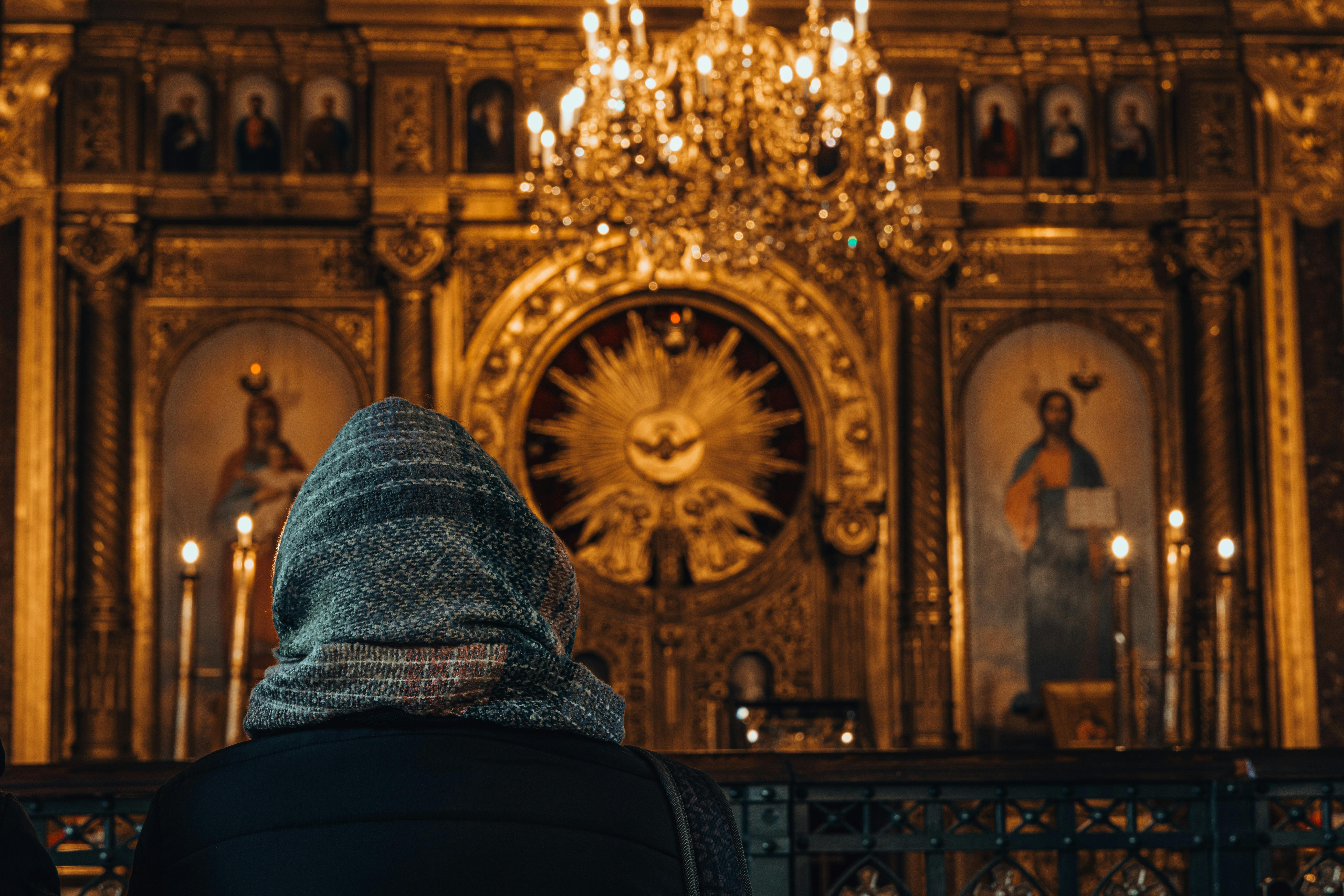
Silence appears in contemplative traditions with a specificity that suggests it is doing more than reducing noise. It is prescribed with rules, durations and exceptions, in the manner of a technique rather than an atmosphere.
Speech is a continuous background task
Being available for conversation requires monitoring others, preparing responses and maintaining a consistent presentation of oneself.
This runs below awareness and is therefore hard to notice until it stops, which is why the effect of a silent period is often reported as surprising.
Removing it frees a substantial amount of capacity, and that release is the first thing most participants in silent retreats describe.
Silence removes the discharge route
Difficulty is normally processed partly through telling someone about it, which distributes it and often resolves it.
Without that route, material stays with the person, which is uncomfortable and is exactly the condition the practice intends.
Traditions therefore treat silence as a demanding practice rather than a restful one, and provide teacher interviews as a limited exception for precisely this reason.
Sensory reduction changes what registers
Perception adjusts to prevailing input levels, so a quiet environment makes small sounds and sensations noticeable that would otherwise be filtered out.
This is why participants report ordinary experiences becoming vivid, and why the effect is often mistaken for something the practice produced rather than something it revealed.
The same principle explains the traditional siting of contemplative communities in remote places, which reduces ambient input rather than merely providing seclusion.
It also accounts for the disproportionate intrusion of small disturbances during silent periods, since a cough or a door registers against a background that has stopped masking anything.
Rules protect it from erosion
Silence dissolves easily, since a single exchange re-establishes the social monitoring the practice removed.
Monastic rules therefore specify times, places and permitted exceptions in detail, and retreat centres similarly ask participants to avoid eye contact and gestures.
These provisions appear excessive until the practice is attempted, at which point the difficulty of maintaining silence in company becomes obvious.
Communal silence differs from solitude
Sitting silently among others is a distinct condition, since the presence of people is retained while the interaction is removed.
Traditions have used this deliberately, from meetings held largely in silence to shared meals taken without speech.
The combination supplies the steadying effect of company without the demands of conversation, which accounts for its use in traditions that otherwise have little else in common.